
Yoga On Board: Glide Through Security with Confidence

Today we dive into TSA rules and smart packing strategies for bringing yoga gear in carry-on bags, translating confusing regulations into calm, practical steps. From mats and blocks to straps, sprays, and compact recovery tools, you’ll learn exactly what flies, how to pack it neatly, and how to keep lines moving while protecting your practice. Expect clear tips, friendly reminders, and traveler-tested advice for stress-free screenings and comfortable flights.

Mats: Roll, Fold, and Sail Through X-ray
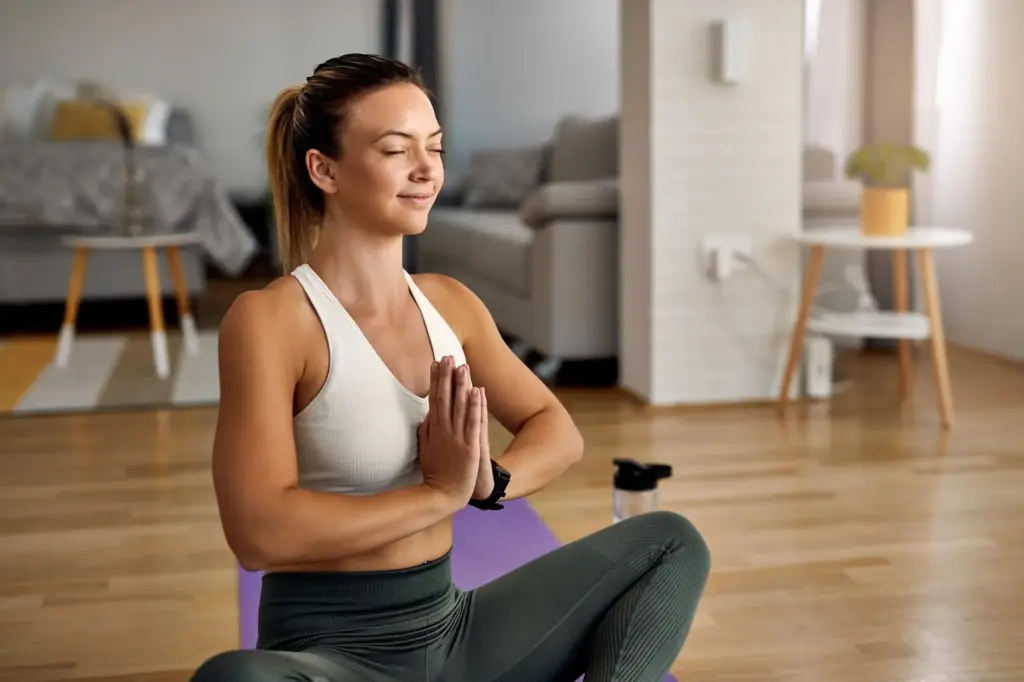
Standard and travel mats are allowed, and agents see them constantly. Roll yours tightly, avoid stuffing metal objects inside, and place it lengthwise in the bin if asked. Foldable travel mats tuck into backpacks neatly and scan cleanly when laid flat. If a rescanning request happens, smile and cooperate—it’s routine. Consider a light strap to keep the roll compact, and avoid dangling pockets that obscure the X-ray image or slow your progress at busy checkpoints.

Blocks, Straps, Wheels, and Odd-Shaped Props

Foam blocks are generally fine, but cork versions can look dense under X-ray, which sometimes invites a brief hand inspection. Keep pairs separated to reduce an ominous-looking block of material. Straps rarely cause concern when coiled neatly. Wheels, while not prohibited, can test airline size rules, so confirm dimensions carefully. Place unusual props on top inside your bag for quick access, answer questions clearly, and consider compact alternatives when cabin space and overhead bins are tight.

Packing the Mat: Space-Saving, Scan-Friendly Methods

Smart packing protects your gear, preserves cabin space, and speeds screening. Use your mat as structural padding, or switch to a featherweight travel version that folds to notebook size. Keep fabrics inside the mat’s core to utilize wasted space, and avoid burying electronics within dense rolls. A compression strap prevents unspooling in bins. If you’re asked to separate items, your layout should make it effortless. Efficient organization supports calm breath, clear focus, and a smooth airport rhythm.

Diagonal Roll with Core Fill for Balanced Weight

Lay leggings, tees, or a microfiber towel across the mat, then roll from a corner on the diagonal so length and thickness distribute evenly. Tuck socks or a resistance band in the core to anchor shape without hard edges. Use a lightweight strap to cinch. This creates a balanced cylinder that rides comfortably on your backpack, scans predictably, and avoids top-heavy surprises while you navigate lines, escalators, or tight jet bridges during brisk connections.

Fold-to-Square Travel Mat Inside a Protective Sleeve

Choose a foldable travel mat that compresses into a tidy square and slide it inside a thin sleeve or document folder to keep edges flat. Position the sleeve against your pack’s back panel for structure and airflow. This configuration scans beautifully because layers are uniform and easily readable. It also frees internal volume for clothing cubes and a transparent liquids bag. When bins are scarce, a slim, squared profile slips into tight overhead spaces without negotiation or delay.

Liquids, Aromas, and Comfort Within the 3-1-1

Comfort items are welcome when they follow clear limits. The 3-1-1 rule allows containers up to 3.4 ounces each, all fitting inside one quart-sized bag. Swap bulky cleaners for concentrated drops, choose roll-on essential oils, and favor non-aerosol mists. When possible, convert liquids to solids—balm muscle rubs, lotion bars, and solid shampoo free space quickly. Keep scents subtle out of respect for sensitive seatmates, and position your liquids bag for effortless presentation during screening.

Airline Size Rules, Personal Items, and Boarding Realities

TSA clears safety, but carriers govern size and cabin storage. Many mats fit within personal item limits if strapped tightly, while full-size wheels or multiple blocks often exceed constraints. Check your airline’s specific dimensions, consider sizers at the gate, and plan for overhead variability. Boarding group matters, especially with regional jets and full flights. A compact, decisive packing profile earns friendly nods from crew, reduces gate stress, and keeps your practice literally within arm’s reach.

Layout for X-ray Clarity and Effortless Bins
Organize your carry-on so screeners instantly interpret shapes. Put the mat on one side, props on another, and liquids at the very top. Avoid nesting electronics within dense rolls or stuffing metal items into foam blocks. If asked to separate something, you should manage it in a single graceful movement. Clear bags, contrasting pouches, and minimal overlap produce a clean image, reduce questions, and preserve your calm, centered pace through even the busiest morning rush lines.

PreCheck, CLEAR, and Known Traveler Benefits

With TSA PreCheck, you typically keep shoes on and may leave liquids and laptops packed, but be ready to follow any officer’s instructions. CLEAR accelerates identity verification and can pair with PreCheck for a double-speed experience. Maintain the same organized layout because random checks occur. Place your quart bag where it can be produced immediately if requested. Thoughtful redundancy prevents delays, supports respectful interactions, and keeps your practice grounded while procedures vary between airports and hours.

US-Bound Flights and Powder, Liquid, or Aerosol Edge Cases

When flying to the United States, expect similar 100-milliliter liquid limits, and know that larger powder containers can invite extra screening attention. Keep wellness powders small or checked, and choose non-aerosol atomizers where possible. Present items clearly and answer questions calmly. Policies evolve, so rely on official guidance from airlines and airport authorities. Preparing with conservative choices avoids last-minute discards and preserves your energy for stretching, resting, and reconnecting with your practice after long-haul journeys.

Local Transit, Weather, and Carry Comfort at Arrival

After landing, plan how your mat travels through buses, metros, or busy streets. A compact roll secured close to your back reduces jostle, snags, and fatigue. In rainy climates, a light waterproof sleeve keeps gear dry. For hot destinations, prioritize breathability and quick-dry towels. Balance minimalism with readiness: one versatile strap, a slim pouch for wipes, and a refillable bottle cover most scenarios. Smart, nimble carry choices extend your post-flight comfort and preserve bandwidth for recovery.
Telidaridavofexo
Privacy Overview

This website uses cookies so that we can provide you with the best user experience possible. Cookie information is stored in your browser and performs functions such as recognising you when you return to our website and helping our team to understand which sections of the website you find most interesting and useful.